
In New Zealand, Keisha Constantino likes to start her morning at a leisurely pace. She wakes up at 7am and takes time to get ready, reading a book or making matcha before heading to work as a teaching assistant and doctoral researcher at the University of Auckland.
While at work, the 32-year-old Filipino balances her time between researching, writing and grading coursework, after which she heads to the university gym to exercise before heading home.
"My evenings are sacred. I don't take home any work at all. All the work that I do is in the office," Constantino said. In between work, she savours two-hour-long lunches followed by visits to a nearby library or local museums to view the free exhibits while juggling other commitments, such as part-time remote consultancy work.
Do you have questions about the biggest topics and trends from around the world? Get the answers with SCMP Knowledge, our new platform of curated content with explainers, FAQs, analyses and infographics brought to you by our award-winning team.
Constantino, who is on study leave from her role as an assistant professor at the University of the Philippines to pursue a doctoral degree and work in New Zealand, said her balanced life in Auckland contrasted with how she lived and worked back home.
In the Philippines, she had to handle unpaid tasks like thesis advising as a faculty member. Getting to and from the workplace was a chore as she lost precious time daily due to heavy traffic and poor public transport options.
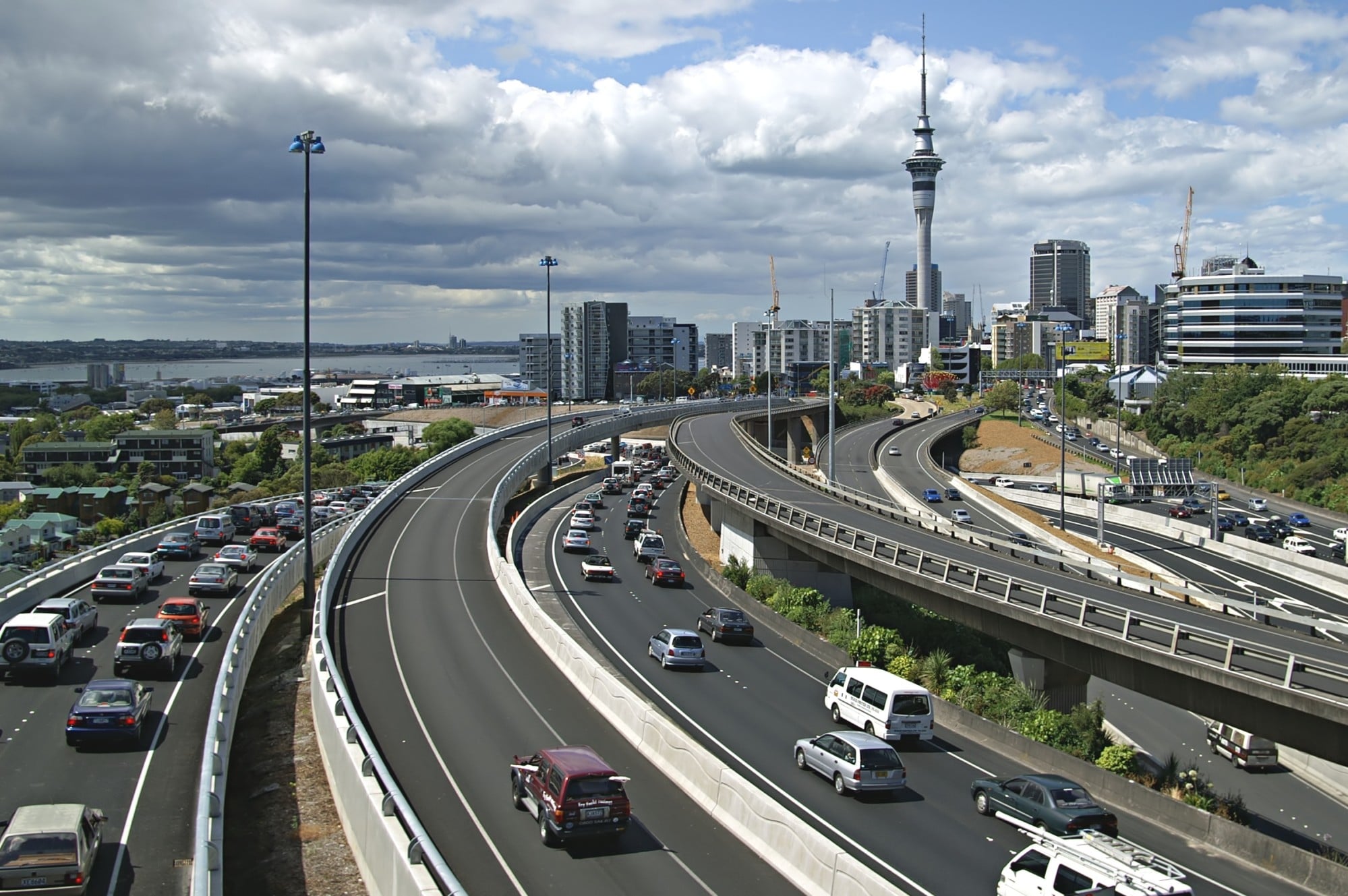
In Auckland, going to work for her is a breeze. "Work is a 15-minute walk. You don't have to deal with traffic. There are multiple transport options. It's a walkable city. You don't feel rushed," Constantino, who conducts research on early childhood education policy in New Zealand, said.
"Even things like not sweating from commuting - those small things really affect quality of life."
Her experiences in Manila and Auckland somewhat reflect the findings of a report released last year on work-life balance in 60 countries by employment solutions platform Remote, with New Zealand topping the list.
The Philippines was ranked 41st, the second lowest among East and Southeast Asian countries.
To compile the list, Remote considered factors including annual, maternity and sick leaves, average hours worked per week, healthcare status, safety, happiness and LGBTQ inclusivity.
Barbara Matthews, Remote's chief people officer, said on the company's website that the report's findings showed that work should not define life. "It's a reflection of our core belief that people perform their best when they're trusted to live fully outside work."
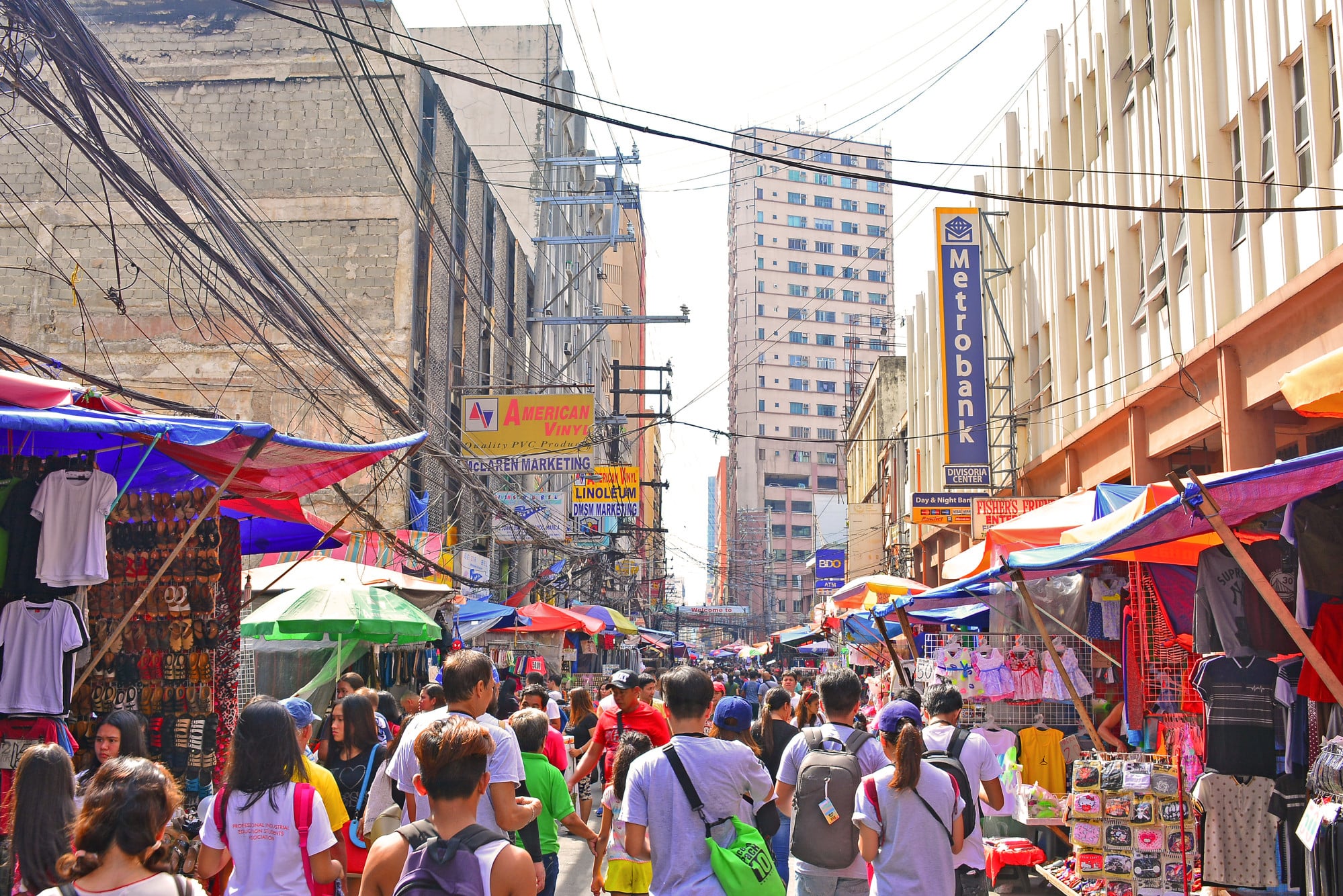
Like Constantino, Jenicca Parico, who works as a legislative officer at the Philippines' House of Representatives, cited the traffic gridlock in Manila as a bugbear.
"Leaving at an inopportune time from work can cost me hours in traffic on the way home," she said, adding that the country's metro trains were not a good commuting option as they were always crowded.
In 2024, Arsenio Balicasan, secretary of the planning agency - then called the National Economic and Development Authority - said that the need to solve the Philippines' traffic problem had "become more urgent" as its economy continued to grow.
According to the Netherlands-based 2025 TomTom Traffic Index, Manila was ranked 40th out of 492 cities in the world for traffic congestion, with about 143 hours lost last year due to the city's traffic.
Parico also complained about long office hours and having to be available to respond to work-related calls on weekends.
"Even as early as 6am, or as late as midnight, if your boss calls, you really have to respond or report," she said.
As a result of her work, Parico felt that she could not spend enough time with her 10-year-old son, and wished she could place him in a childcare centre near her office.
"How do solo parents manage if they have no one to leave their children with while working?"
Jason Arellano, an entrepreneur, said low wages in the Philippines were also preventing Filipinos from achieving a satisfactory balance between life and work. The daily minimum wage for workers in Manila is US$11.58.
"We can do the bare minimum. You need to find ways to save up here and there, making sure you drop the extracurriculars and take care of your essentials," Arellano added.
"Manila has its charm, but the cost of living is so high, and what you get for what you pay for in taxes is not equal."
Citing the scandal over dubious flood-control projects, Arellano said corruption was a key contributor to the living woes of Filipinos and claimed that he had never seen "a clean functioning government" in his life.
Yvan Ysmael Yonaha, a Filipino sociologist who is pursuing his doctoral degree at the Chinese University of Hong Kong, said work-life balance among Filipinos remained elusive due to their poor financial situation, with other surveys showing millions had to look for more work to supplement income, as well as their heavy healthcare spending and borrowing.
The Philippines' low ranking in the report is unsurprising because long working hours, being constantly on-call for work, and a lack of job flexibility reflect a poor workplace culture across the country, according to Yonaha.
A low level of union representation among Filipinos is also a key impediment to preventing them from demanding better work conditions and work-life balance.
"In the absence of reliable social protection to fall back on when employment takes a hit, it makes sense to prioritise employment," Yonaha said.
Clarice Cabanlit, founder of Willow, a mental health service provider for workplaces, noted that discussions on work-life balance in the Philippines tended to focus on time spent working and resting, wages, and heavy traffic.
But she said there should also be an emphasis on making employees feel connected to their work and their organisations.
"While those do need reform, there is a growing issue of people feeling alone, even within teams and organisations. Workplaces need to move beyond productivity and start creating environments of clarity, collaboration and care, where people feel seen, supported and connected."
More Articles from SCMP
Hong Kong’s Cheung Ka-long dismisses online critics after claiming bronze in Peru
Alibaba unveils AI agent platform to automate global e-commerce for small businesses
Why Middle East volatility presents an enhanced risk for South Asia
A Living Tradition: Gewandhausorchester Leipzig in Hong Kong
This article originally appeared on the South China Morning Post (www.scmp.com), the leading news media reporting on China and Asia.
Copyright (c) 2026. South China Morning Post Publishers Ltd. All rights reserved.
Post a Comment for "Philippines scores poorly on work-life balance. Filipinos are not surprised"