
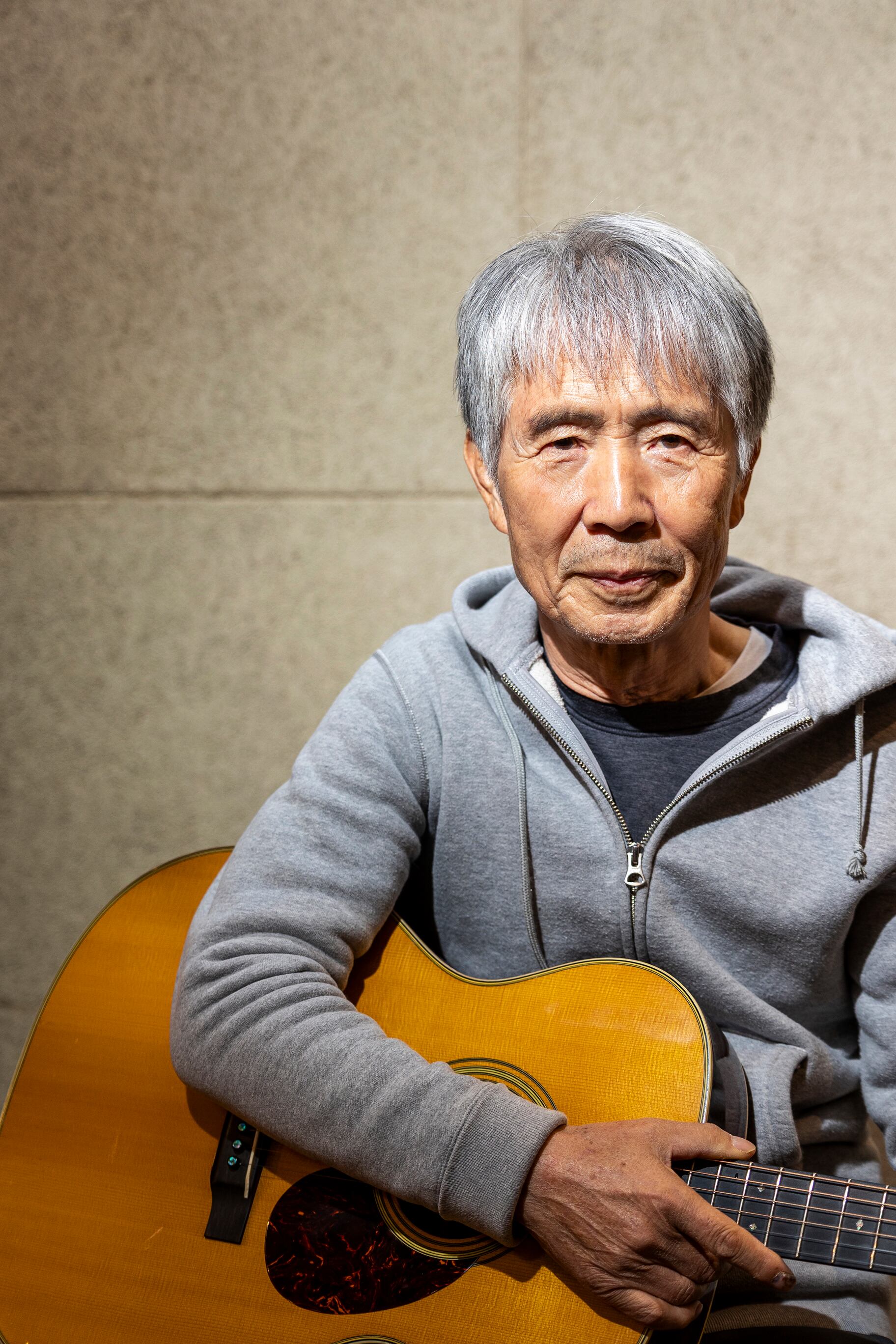
A winter wind blows through the lonely friction of sound. On a rainy day, a pale tree sways there. It must be evening.
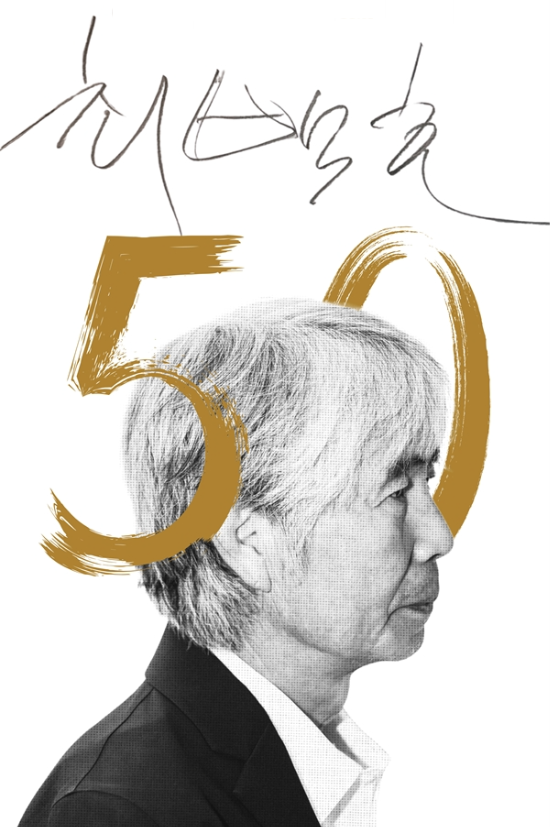
Singer Choi Baek-ho (75) was emaciated. “I lost 15 kg,” he said. “I’ve been suffering from a lung disease called nontuberculous mycobacterial infection for five years. The medicine is very harsh. My voice changed. It became thinner, and sometimes I hit falsetto notes. I have to sing differently now. But I’m lucky I can still sing.” He has been doing this for half a century, and next month marks his 50th anniversary since debut.
–What are your reflections?
“I was lucky. Truly lucky. A high school graduate from the countryside, without parents, without a manager, never giving a bribe to anyone… I survived with just my voice.”
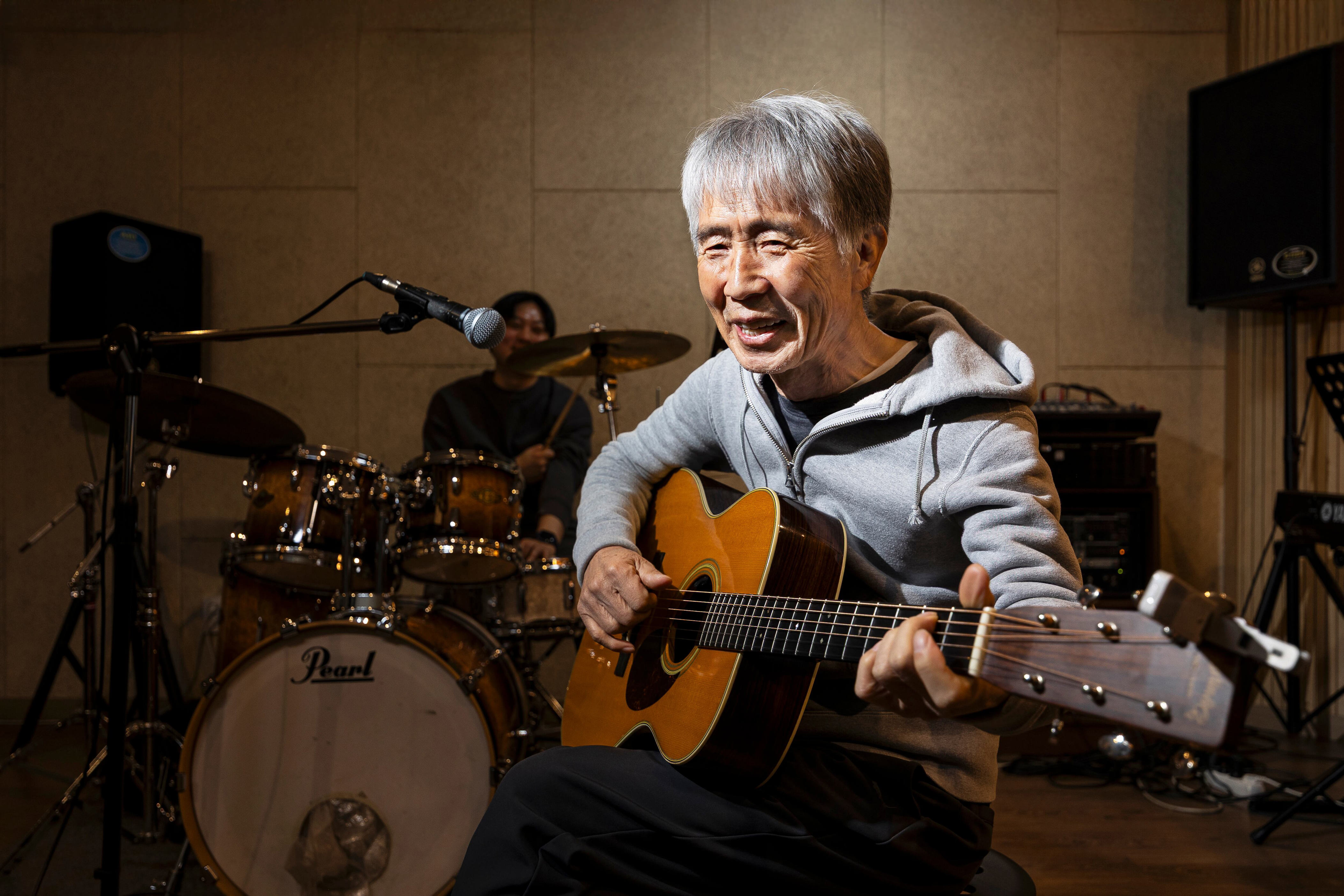
A nationwide tour concert is scheduled to begin in January. He will perform about 10 songs that have defined him as a solitary vocalist over the years: *When My Heart Loses Its Way*, *A Friend from Yeongil Bay*, *On Romance*, *If You Go to Busan*, and others. On the 15th, he was still rehearsing with musicians at his practice room in Seogyo-dong, Seoul. “My old guitar weeps in a mournful sound….” As he hummed a new song lightly, dry leaves fell around his ears.
–You have many lonely songs.
“My emotions have always been that way since childhood. I’m more moved by sunsets than sunrises. How desperate is the twilight that burns and fades after giving its all? Looking back, solitude was the biggest element of my life.”
◇When the Heart Loses Its Way
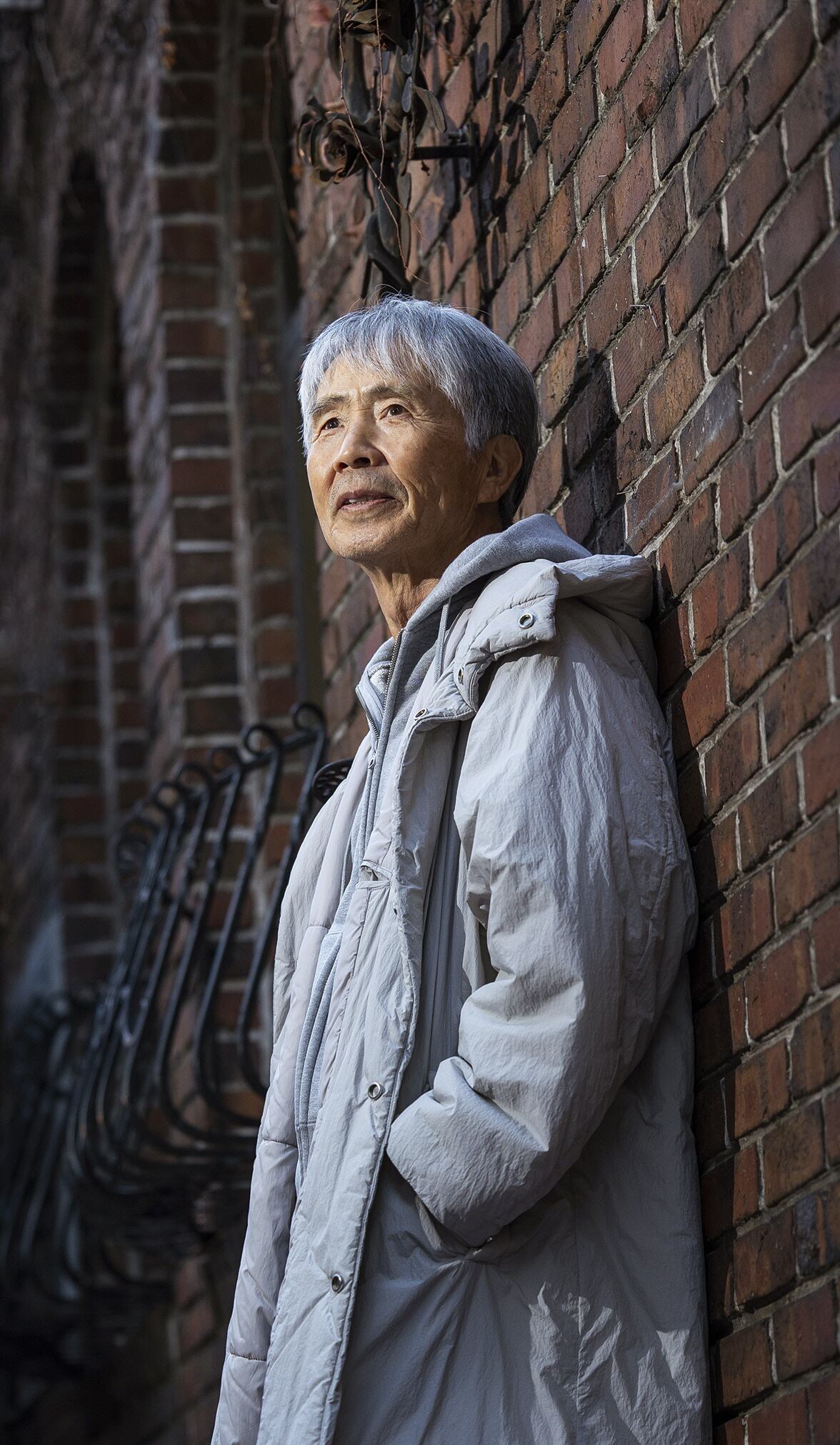
Born as the youngest son of Choi Won-bong, a second-term National Assembly member. His name, Baek-ho (White Tiger), was given by Han Hak-ja, a scholar followed by Choi Won-bong. The world that greeted the newborn was cruel. War broke out. Five months later, his father, on his way to Busan to see his son, was hit by a Turkish military vehicle and died. Then-National Assembly Speaker Shin Ik-hee delivered a eulogy: “A loss for the entire nation.” His grandfather, who ran a large fabric store, coldly treated his grandson, saying, “The child who killed his father.” They were estranged.
–Why do you think he did that?
“He blamed my name for his son’s death. When I had to sell a seal later in life, someone asked, ‘Your parents aren’t alive, are they?’ They said my name had too strong an energy. I hated my name when I was young.”
–Do you have any memories of your father?
“He was from a wealthy family and rode a horse from his hometown to Dongnae High School. He looked like a real tiger. He played the saxophone in the old days, and his voice was so powerful that he could captivate women without a microphone during speeches. I lived hearing such mythical stories. Even in hard times, I would console myself: ‘But who’s my father?’”
–What kind of son were you?
“Not an outstanding student. I entered middle school after retaking exams, failed the high school entrance exam on the first try. I was good at drawing but had no interest in studying. My uncle took me to work on a farm, saying he’d make a man of me. I ran away after six months.”
His mother, an elementary school teacher, moved between school residences to raise her three children. “Even though mice ran on the ceiling, those days with my mother were the happiest,” he said. The days of strumming guitar strings with neighborhood elders in alleys and staring at the sky from cherry trees at school. His mother always stood at the end of the bridge leading to Ilgwang Elementary School from the old Ilgwang Station. It couldn’t last forever.
–What about your mother…?
“She passed away too early. Pancreatic cancer. I was 20. I cried for hours at the port in mourning clothes. It was a shock that felt like the sky collapsing. I was eligible for military exemption as a son who lost his father early, but I enlisted. It was too hard to endure.”
He served as a drill instructor at the Army’s 1st Non-Commissioned Officer School. “A few months later, I jumped off a truck after training and collapsed, vomiting blood.” It was acute tuberculosis. He coughed blood even in his sleep. Soldiers transporting him to the hospital muttered, “This bastard will die soon.”
◇A Song That Revived a Dying Life
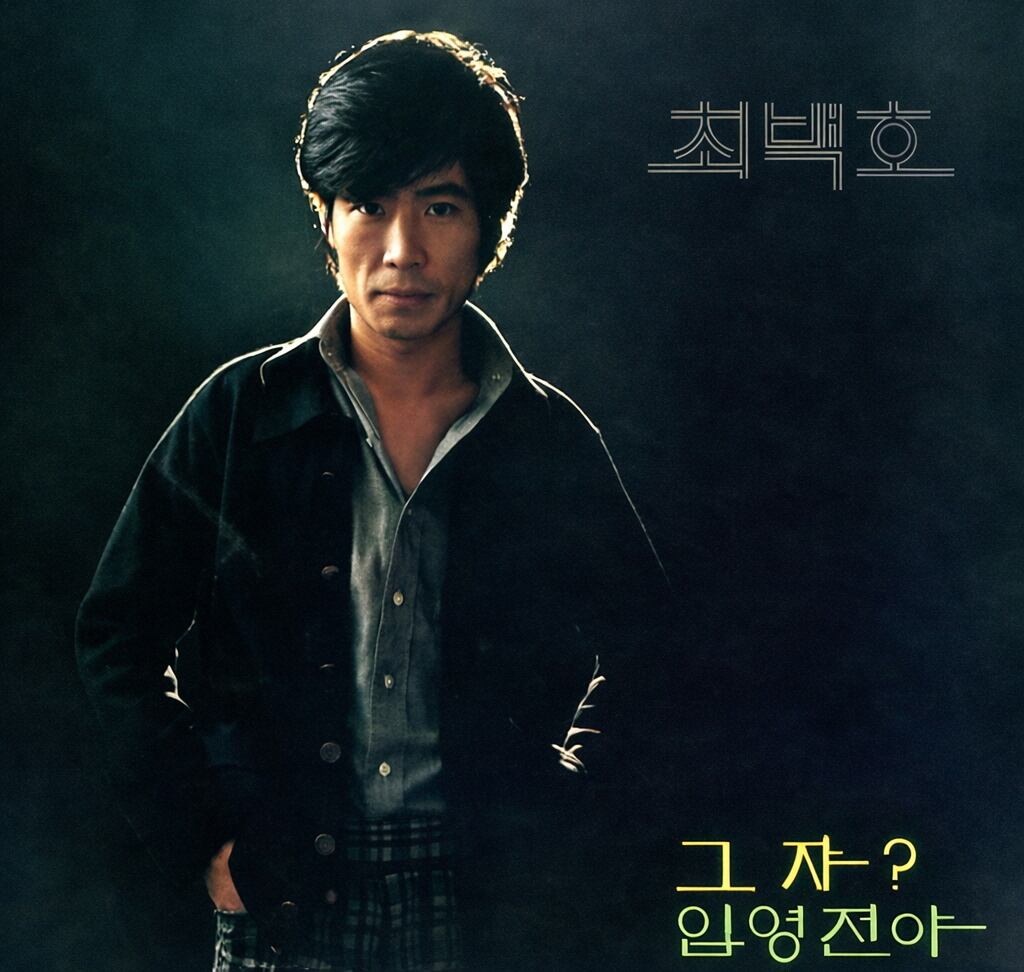
He was honorably discharged after a year. Though he survived, his future was bleak. “I had 115,000 won in compensation money,” he said. “That would be 2–3 million won today.” Once dreaming of art school, he painted movie posters at a theater. “I remember *Romeo and Juliet*. There was a hierarchy, so I could only draw outlines, not color.” In a black-and-white era, his only solace was singing while playing guitar alone. The next year, a friend made an unexpected offer.
–What did he say?
“My brother-in-law runs a beer hall with live performances. We’re looking for singers. Let’s find one together.” They visited about six places, then he blurted out, “Just do it yourself.”
–Did you accept immediately?
“He offered 30,000 won a month. He said to sing briefly when there are no customers in the early evening, and I could stay there.”
Choi Baek-ho, who sang covers of Song Chang-sik and Lee Jang-hee, was approached by Bae Kyung-mo, a PD at Busan MBC who hosted *When the Stars Shine*. “Do you want to sing in a bigger place? I’ll introduce you to Busan’s ‘Teen Club’—the most glamorous south of the Han River at the time.” There, he met singer Ha Soo-young, learned keyboard, and studied songwriting. Ha soon moved to Seoul and found success.
–So…?
“I thought, ‘I should go too.’”
In 1974, he moved to Seoul and auditioned at Seorabeol Records through Ha’s introduction. “While preparing my album, I met composer Choi Jong-hyuk. He was a heavy drinker. One day, after getting drunk, I handed him a note: ‘Can this be a song?’” It was a diary-like text about missing and feeling guilty after losing his mother: *In autumn, don’t leave. When leaves fall, sorrow deepens. Better to leave in white winter…*. A week later, Choi Jong-hyuk returned with a melody. “He played the piano and sang, ‘In autumn~’—it was great. I said, ‘Pat Kim would sing it well.’ He retorted, ‘What are you talking about? You should do it.’”
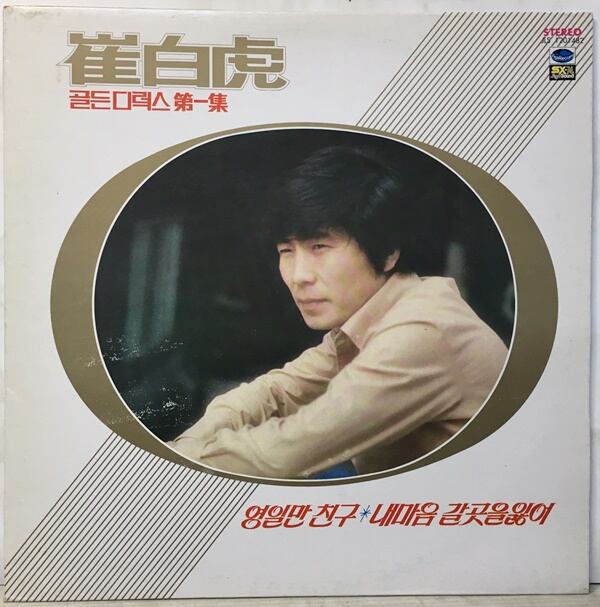
In winter 1976, his first song *When My Heart Loses Its Way* was released. A heartbreaking letter to a departing lover. “We had the studio for three hours, but I spent all of it on the first line, ‘In autumn~.’ Honestly, I didn’t like it until the end. Back then, I had no style—just an imitator of Song Chang-sik. Later, I learned to sing without sounding too much like a song. To sing like speaking.”
–But it was a hit.
“I appeared on TV shows. Since I couldn’t afford bus fare from my boarding house in Cheongpa-dong to the studio in Seosomun, I borrowed a friend’s suit. The sleeves and pants didn’t fit. A PD brought a drum barrel, and I had to crouch on it while singing.” Though he had only his voice, *A Friend from Yeongil Bay* (1979), later immortalized as a song monument at Homigot in Pohang, also became popular. His path seemed paved with success.
◇It Wasn’t a Song, It Was a Roar
–Was the hardship over?
“The company didn’t pay. They promised to cover living expenses instead of profits but didn’t. 300,000 won in contract money for five years was all.”
Only after switching agencies did he touch a lump sum. “9 million won including bills—about 100 million won today. I hid it under my mattress and used it little by little. I had no idea how banks worked. I still don’t know about real estate or stocks.” He started a family. His 1980 marriage to top actress Kim Ja-ok was a hot topic, but they divorced three years later due to personality differences. The next year, another fateful encounter arrived.
–Your current wife?
“I met her for the first time in Itaewon while performing. We crossed paths a few more times. She majored in double bass in college, was ten years younger, and took the initiative.”
–Was there opposition?
“My future father-in-law never came to the wedding. He said he couldn’t let his precious third daughter marry someone who had already been married and worked in nightclubs. My wife was strong—she even ran away from home. She’s tougher than me. Without her, I wouldn’t have survived.”
A fresh start, but financial struggles continued. “For ten years, no hit songs. When winter came, I sang *When My Heart Loses Its Way*. I performed at seven clubs in one day. After the third, it wasn’t singing anymore—it was screaming. Roaring. Peanuts flying were normal. I’ve even been hit by a watermelon. Veteran singer Choi Hee-jun said, ‘Enduring that is part of the fee.’”
–How long did you endure?
“I went to the U.S. in 1990.”
A businessman proposed starting a Korean radio station in LA. “I packed immediately.” But in the land of promise, he faced unexpected workplace bullying. “There was another programming partner. He owed me performance fees and disappeared. I met him in the U.S. It was awkward.” The DJ slot allocated to him was just 10 minutes—an obvious signal to quit.
–What did you do?
“After ads, it’s seven minutes. They probably thought humiliation would make me leave. I’m not easily intimidated. I received the same salary, so I added songs.”
Two years passed. In Korea, karaoke bars ignored him, but in the U.S., he began frequenting them. He wanted to sing. “Until then, I didn’t think of singing as my destiny, but I realized how precious it was.” Then, DJ Baek Cheol-su, who was on his honeymoon in the U.S., urged him, “Bro! What are you doing here? Come back immediately.”
–Were you resentful?
“But these days, I feel that even past adversities eventually worked out. Thanks to that, I could sing again. I sent a wreath when he passed away.”
◇One Day, Suddenly, On Romance
He returned to where he left. Though living on a negative balance, “I didn’t even know what a negative balance was,” he said. “My wife told me later.” Overcoming middle age, he suddenly felt old. “The people who listen to my songs are also aging like me.”
–Did you gain resolve?
“I started trot. Heart-wrenching songs that make you clutch your chest. In 1993, I released *Father*, imagining sending my daughter to her husband’s home. How could I send this precious girl away?”
As usual, Choi Baek-ho was strumming his guitar in the living room of his first-floor apartment in Mok-dong. His wife was washing dishes in the kitchen. Gazing at her back, he had an irreverent thought: “The girl I once loved is probably washing dishes somewhere too.” Thus was born *On Romance*, which divides his musical career. *Where is the girl from my first love, aging like me? Listen to the sad foghorn that makes the passing years feel bitter…*.
–A song born from memories.
“On a rainy day, I sat in an old-style café… The café in the first verse was near Suan Police Box in Dongnae Market, Busan. I entered to avoid the rain, heard a saxophone, and stayed for a while. The title came after composing. I added ‘On Romance’ at the end. Isn’t all our regret romantic?” The first love girl, by the way, married into a pharmacy in Busan.
–You always start with lyrics.
“Usually, lyrics are forced onto melodies. Words are stretched or cut, losing poetic value. Since I’m not classically trained, lyrics are everything. I paint melody onto lyrics.”
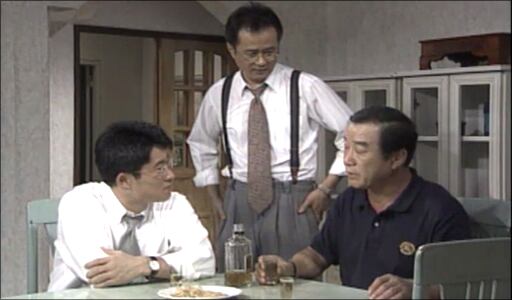
Though now celebrated as a classic, *On Romance* saw no response for almost a year—selling maybe twenty copies a month. Then, in autumn 1996, a female employee at his agency called: “Sir, something’s strange. We received an order for 1,000 albums today.” That year, it sold 350,000 copies. Actor Jang Yong sang it repeatedly in the KBS drama *Men of the Bathhouse*, making it a national hit. “Writer Kim Soo-hyun heard it in her car and loved it. She’s my lifesaver.”
–What incredible luck.
“Songs have their own fate, like living beings. An old singer suddenly gets an album offer, Kim Soo-hyun turns on the radio, and some energy makes the song play…”
◇If Not in One Breath, Then in Several
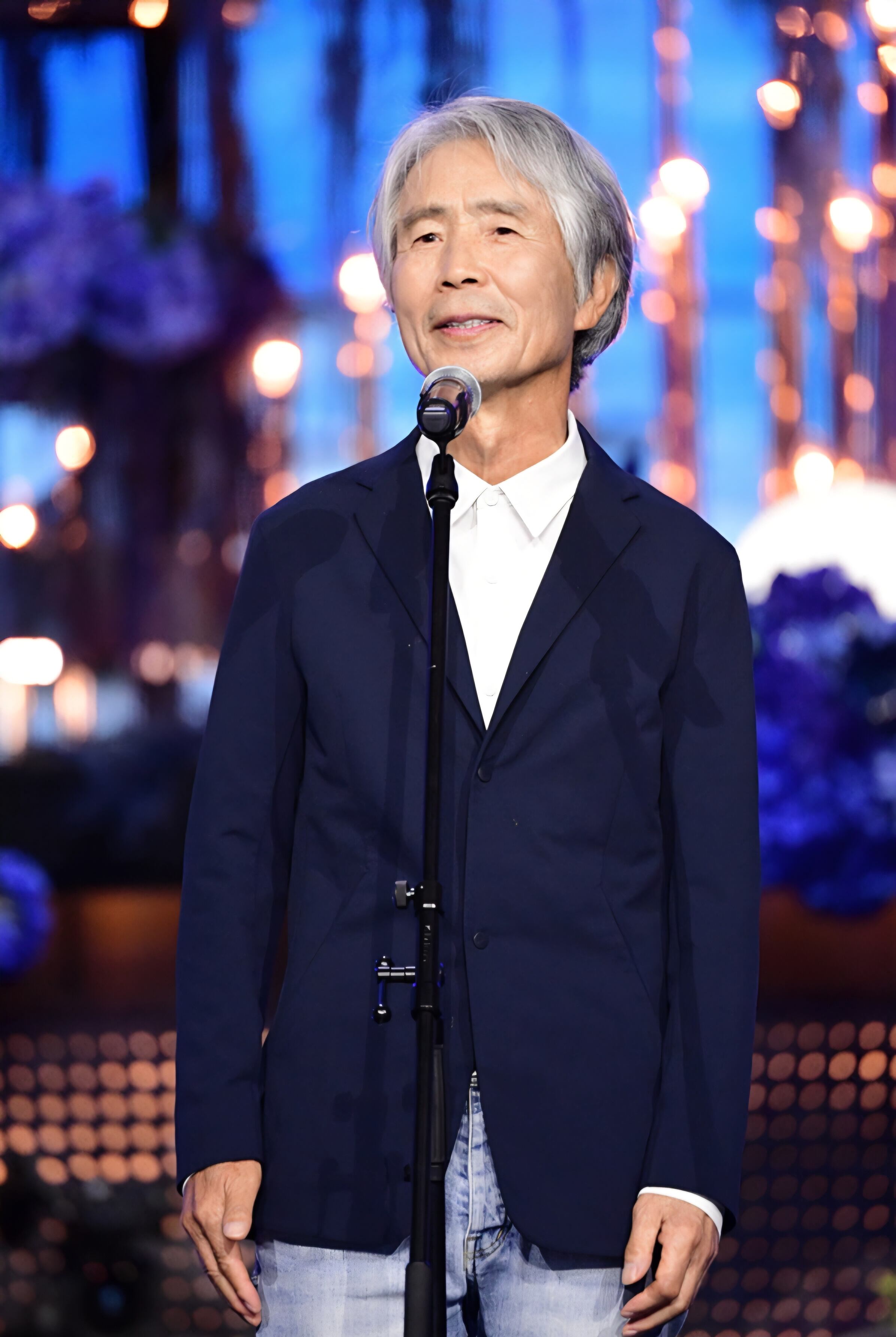
Born to sing forever, the veteran singer approaching eighty remains vibrant, contributing to the OST of the drama *When Life Gives You Tangerines* and *Taxi Driver 3*. On the 20th, he performed with Ali, a singer thirty years his junior. His collaborators—from Lin, Jung Seung-hwan, George, Sweden Laundry to rappers Zico and Tiger JK—might seem unexpected. IU sang *On Romance* at her first concert and called it “the coolest song in the world.”
–You worked with IU.
“A small girl ran to me on a broadcast and asked for an autograph on a CD. She said her father liked it. It was IU. In 2013, through guitarist Park Joo-won, we sang *Let’s Walk, My Child* together. I learn a lot from juniors.”
Producer Echo Bridge (47), who called Choi’s voice “music itself,” led his rejuvenation. The starting point was *If You Go to Busan* (2013). Over a piano melody, it depicts broken pieces facing the distant coast of his hometown: “You and I, shattered by waves, face the fragments.” “He studied my voice a lot. When I heard the playback file on KakaoTalk, I thought, ‘This is my song.’” *The Sea’s End*, included in his 40th-anniversary album, is similar. Singer Baek Ji-young and BTS’s Kim Tae-hyung introduced it as a song that comforts when one wants to cry, making it more famous.
–You have many sea songs.
“My hometown, my past—all there. It’s been over fifty years since I left. I’m working on a song called *To Those Who Live Away from the Sea*: ‘Are you living with the thought of returning someday? To that sea of life, the blue wave homeland…’”
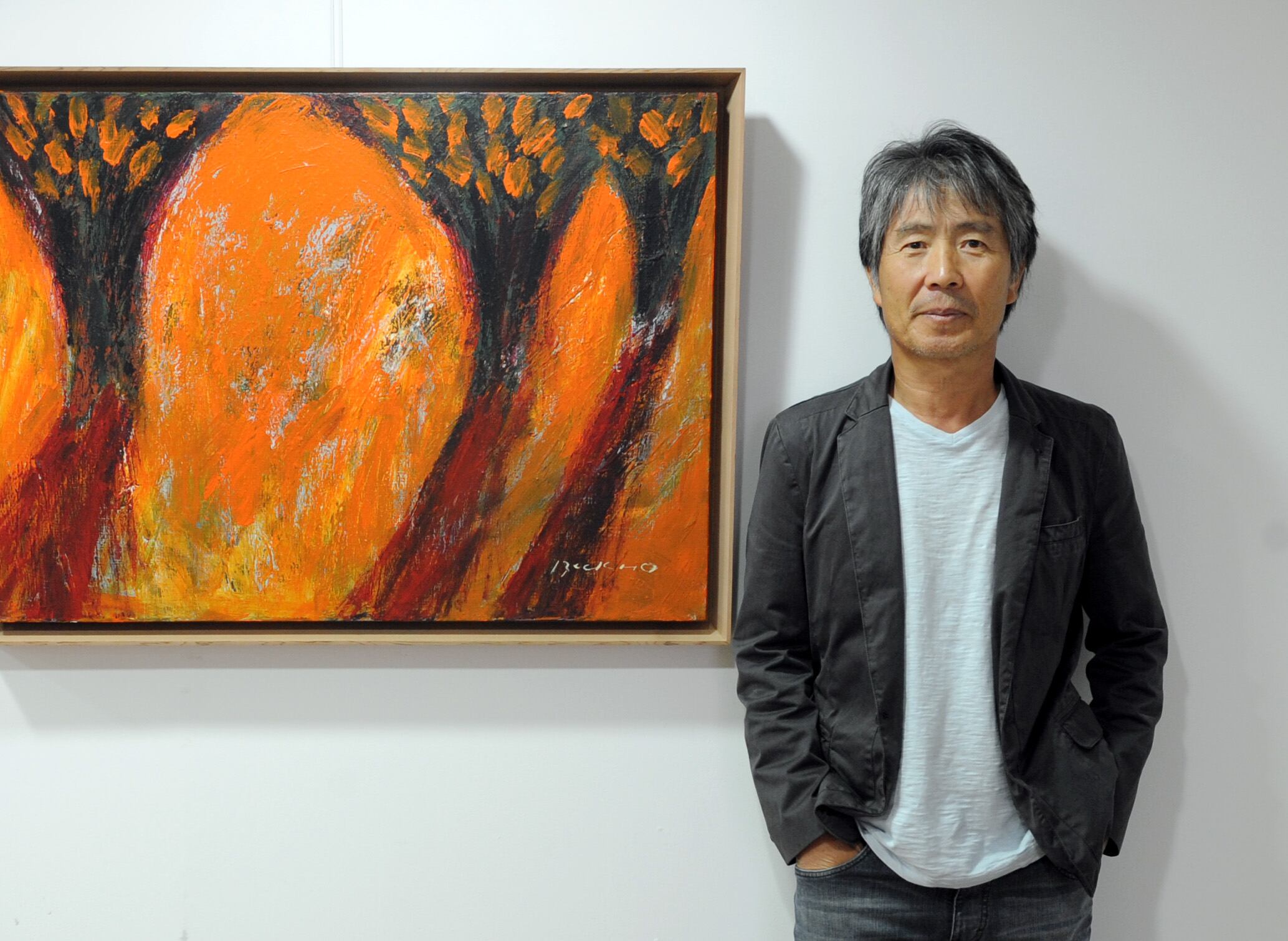
He wakes at 6 a.m. daily to compose, hosts the radio show *Choi Baek-ho’s Romantic Era* until 10 p.m., and has completely quit drinking. “After collapsing from alcohol in Jeju Island 11 years ago, I haven’t touched it,” he said. The body is finite. Two years ago, he paused his radio broadcast, saying, “My condition is too bad.” He also paused painting, which he focused on enough to hold solo exhibitions. “Oil paints are bad for the lungs. I closed my studio in Yeouido.”
–How is your breathing?
“I used to sing in one breath, but now I have to pause two or three times. Song Chang-sik, my favorite singer, said after vocal cord surgery, ‘I build my voice.’ Now I understand. I just rebuild it.”
Crying, raging, lamenting, and occasionally laughing—his voice has aged. But his only wish is to grow old without shame. “The country is in chaos. Everyone fights, making a mess. These people, regardless of left or right, are shameful. Even the North Koreans, oppressed without a sound, are shameful. So I made a song called *Are You Not Ashamed?*” A new album will be released this spring.
–Do you have a goal?
“To perform at ninety.”
–Will you manage?
“I’ve got a lot of new gray hair these days.”
Post a Comment for "Choi Baek-ho's 50-year career defies illness"