
The clack of mahjong tiles, the soft rattle of exercise bikes and the slow thrum of sewing machines are the soundtrack to Monday afternoons at the Yong-en Active Hub: a senior centre with the vibe of a social club, where new skills and friendships are the antidote to old age.
At the Bukit Merah estate in central Singapore, Agnes Chen, 74, strolls through the swinging doors, declines entreaties to join a game of Rummikub - a tile-based hybrid of mahjong and rummy - and fixes herself a coffee.
"People here are so friendly and happy, you'll find yourself opening up," the retiree said. "It's like a private club for seniors, you can eat, cook, sit around and do what you like, even if there's no classes."
Do you have questions about the biggest topics and trends from around the world? Get the answers with SCMP Knowledge, our new platform of curated content with explainers, FAQs, analyses and infographics brought to you by our award-winning team.
Helping its elderly population age well has long been a national priority for Singapore. The city state crossed the threshold of being "super-aged" this year, with more than 21 per cent of its population now aged 65 or above - a demographic shift that poses challenges for its healthcare system, well-being programmes and future tax base alike.
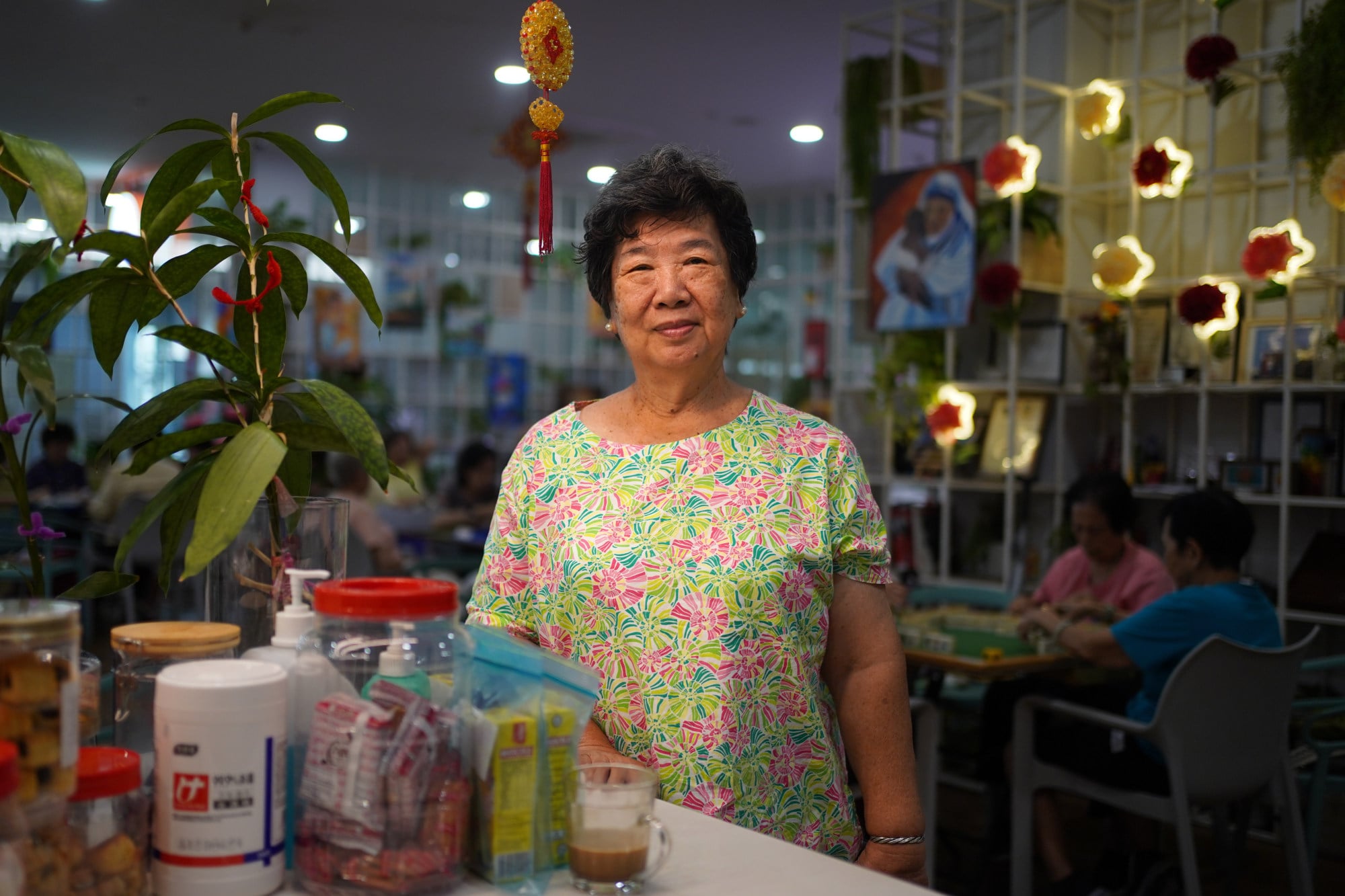
The Yong-en Active Hub offers a revolving schedule of activities: guitar lessons on Tuesday afternoons, qigong on Wednesday and Friday mornings and occasional special outings such as a recent visit to the Singapore State Courts.
Chen was gently coaxed into line-dancing shortly after her husband died, and her repertoire has been growing ever since. She now plays the ukulele and is preparing to take up dressmaking.
"You have to take that step out of your house and meet people and do things that you were never given a chance to do when you were young," she said. "There's no age barrier to learning something new."
Tim Lee, executive director of Yong-en, the charity that operates the hub, said empowering retirees to pursue hobbies or volunteer work was essential for them to age meaningfully.
"It's so easy to fall into doing nothing day in and day out," he said. "Now a lot of elderly citizens are educated to a certain extent, so they are not as constrained as before and can learn a lot more things."
The risks of failing to keep elderly people engaged are well documented.
Kim Seonghoon, deputy director of the Centre for Research on Successful Ageing at Singapore Management University, said social isolation and loneliness among older people were associated with shorter life expectancy and worse physical health.
He called for accelerating the shift "from hospital-centric care to community and home-based care" as a result.
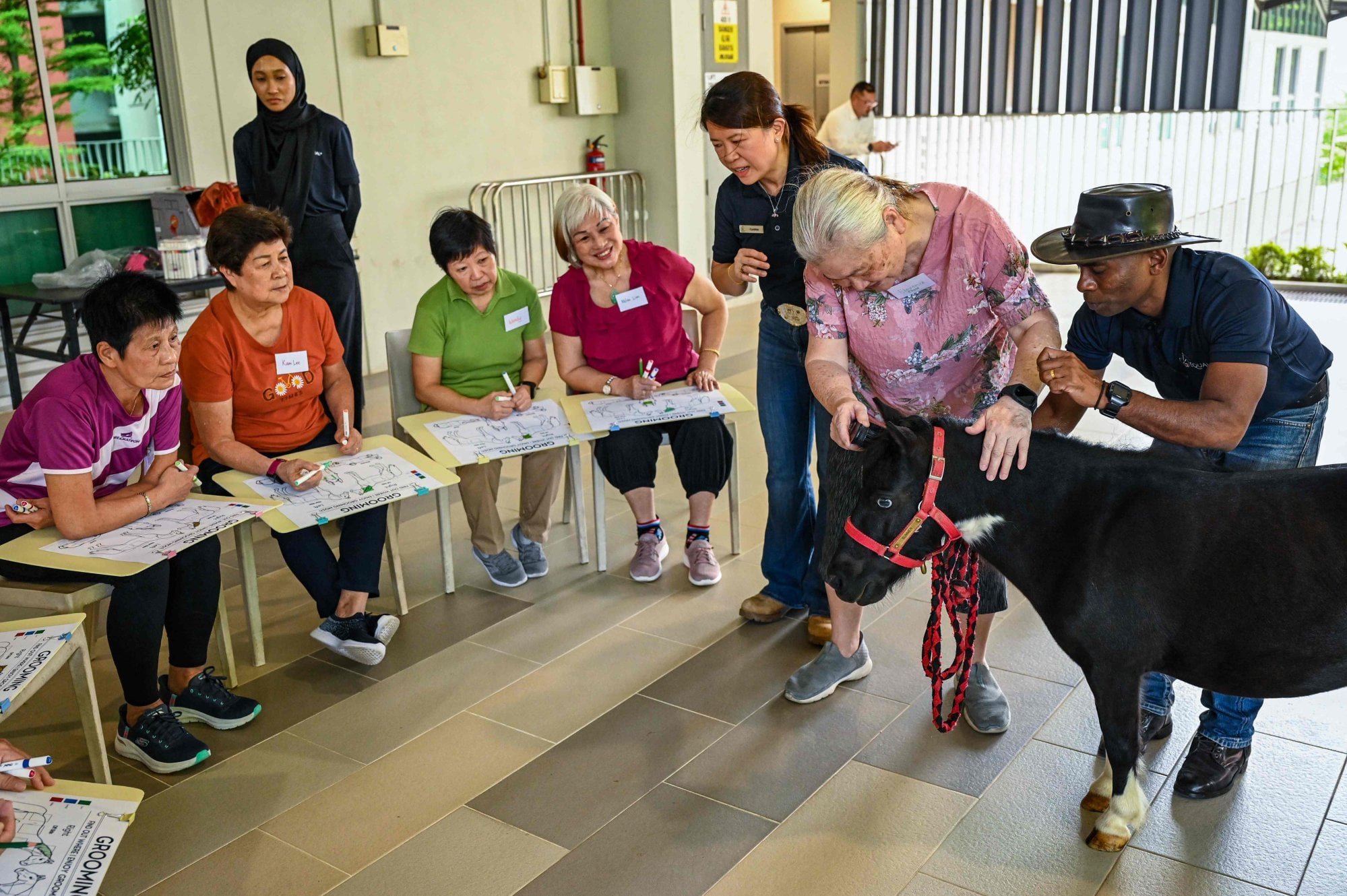
Singapore launched its Age Well SG programme in 2023 to keep elderly citizens active and socially connected. It now operates around 235 active ageing centres, up from roughly 150 at the programme's launch.
During the 2024 budget, the government allocated S$3.5 billion (US$2.6 billion) for the initiative over a decade. In parliament on March 8, Health Minister Ong Ye Kung indicated that spending on aged-care facilities - including elderly care centres and rehabilitation services - was set to grow further.
Ageing researcher Rahul Malhotra, executive director of the Duke-NUS Medical School's Centre for Ageing and Education, said Singapore lacked the land to offer expansive retirement communities of the kind found in larger countries.
It would instead need to make creative use of its dense urban environment to build care models that provide adequate support through carers and community-based services, he said.
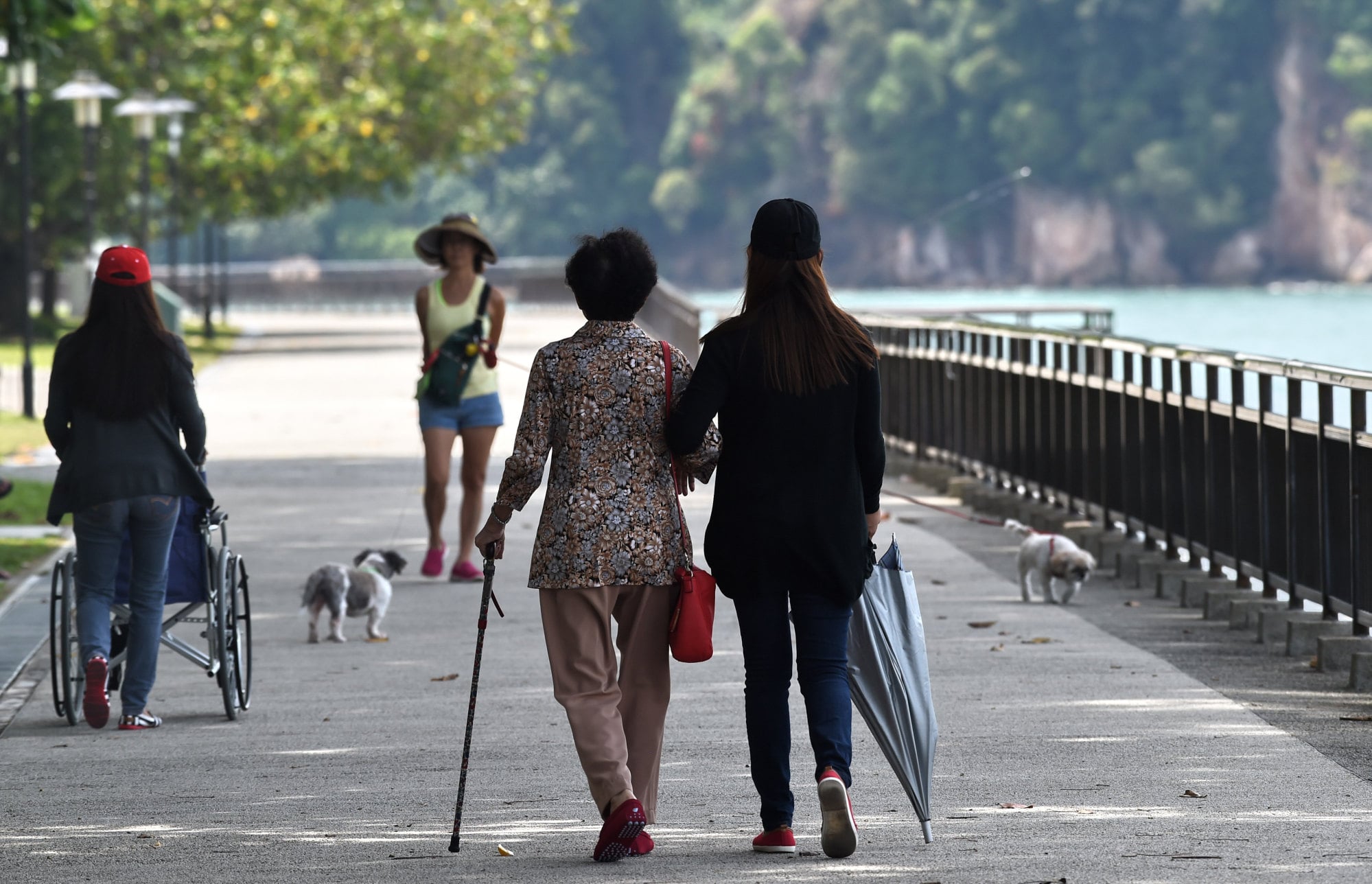
Intergenerational connection is another pillar of Yong-en's approach.
Lee said the charity had organised multiple school visits across the city state, reflecting research showing that cross-generational interaction was essential to ageing well.
But Yong-en, which is not government-linked and relies largely on donations, is overstretched and struggling to secure consistent funding.
It ran a deficit of S$180,000 last year, according to Lee, who urges private partners to give more regularly. As well as the active ageing hub, the charity also provides dementia care and broader elderly services.
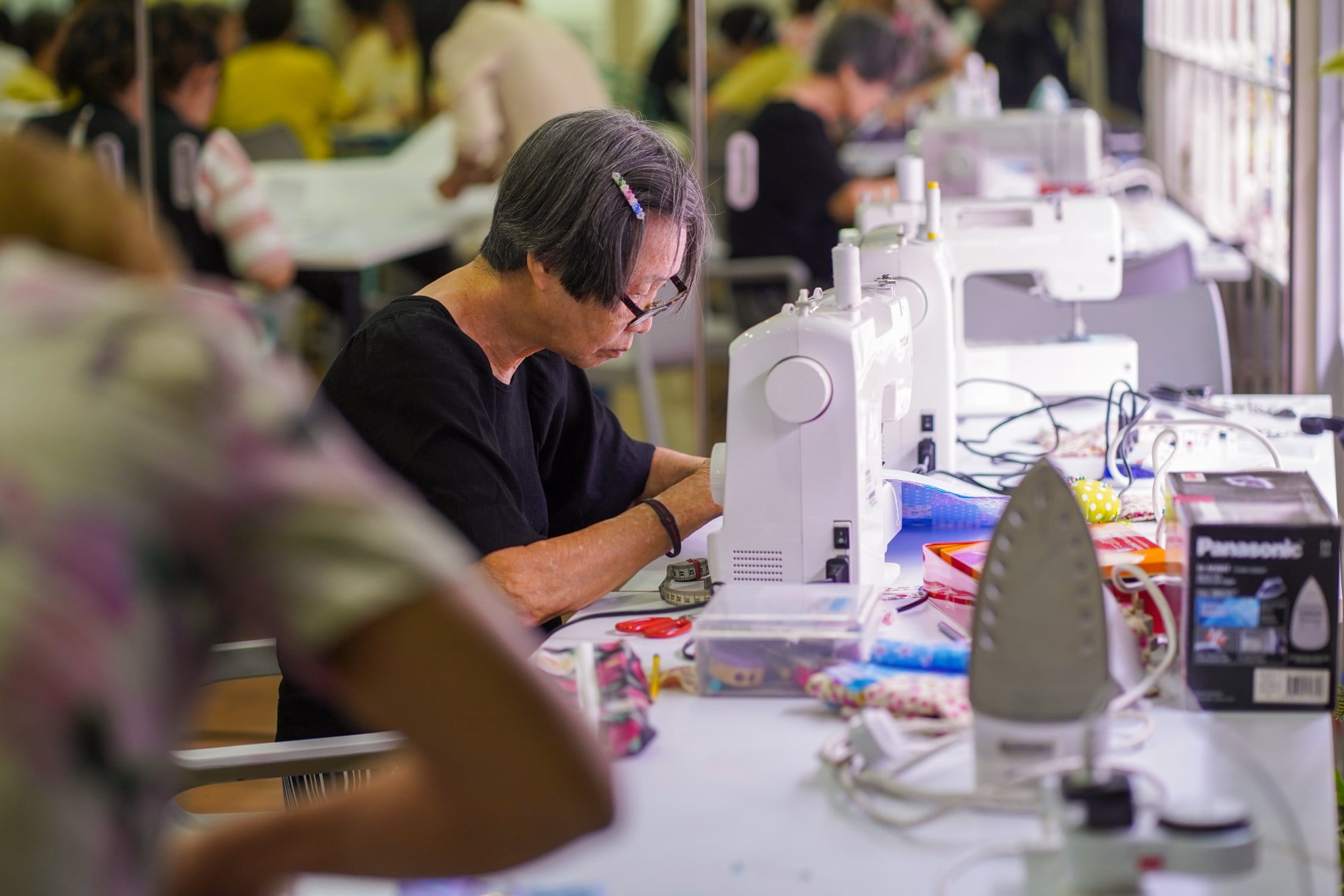
For Pang Soon Eng, 70, Yong-en has provided her with the strength to care for her 90-year-old mother, who has been bedbound since having a stroke.
"To prevent bedsores, she has to be turned from her back to her side every two hours, and the constant care is very physically demanding," said Pang, her mother's primary carer. "So I'm here to take gym classes to keep myself fit."
The retired dentist has also embraced lifelong learning, dabbling in flower arranging and acrylic painting, and joining on farm visits. After more than four decades in the dental clinic, she is relishing the discoveries that lie beyond it.
"I don't know what people mean by 'ageing is scary'," she said. "As long as I'm mobile and have strength, I should enjoy what I can do."
More Articles from SCMP
Plan for full taxi access to Discovery Bay sparks anger among residents
Hong Kong Coaching Awards: Maurizio Zomparelli wins individual sport coach of the year
Does the USS Tripoli’s deployment to the Middle East create a strategic opening for China?
Premier Li Qiang calls for a global pledge to open up, while ‘power politics’ runs rampant
This article originally appeared on the South China Morning Post (www.scmp.com), the leading news media reporting on China and Asia.
Copyright (c) 2026. South China Morning Post Publishers Ltd. All rights reserved.
Post a Comment for "‘Super-aged’ Singapore’s secret to growing old well? Stay busy"